
Zoned Comfort Without Ductwork Installation
Ductless Systems and Mini Split in Charleston for spaces where conventional ductwork is impractical or absent
Garage conversions, home additions, and commercial spaces often lack ductwork, making traditional HVAC installation expensive and invasive. Mini split systems deliver heating and cooling directly to individual rooms through wall-mounted air handlers connected to outdoor condensers by small refrigerant lines, eliminating the need for extensive duct construction. Each indoor unit operates independently, which creates temperature zones that improve comfort and reduce energy waste by conditioning only occupied areas rather than heating or cooling the entire structure simultaneously.
Installation involves mounting the outdoor condenser on a concrete pad or wall bracket, running refrigerant lines and electrical connections through a three-inch penetration, and securing the indoor air handler on an interior wall with proper clearance for airflow. TrueNorth Coastal Comfort sizes equipment based on room volume, insulation quality, and sun exposure to ensure adequate capacity without oversizing that causes short-cycling. Systems are tested for refrigerant leaks, proper drainage, and correct airflow distribution before commissioning.
Request a ductless consultation to evaluate zoning options and receive an installation proposal for your home addition, garage, or commercial space.
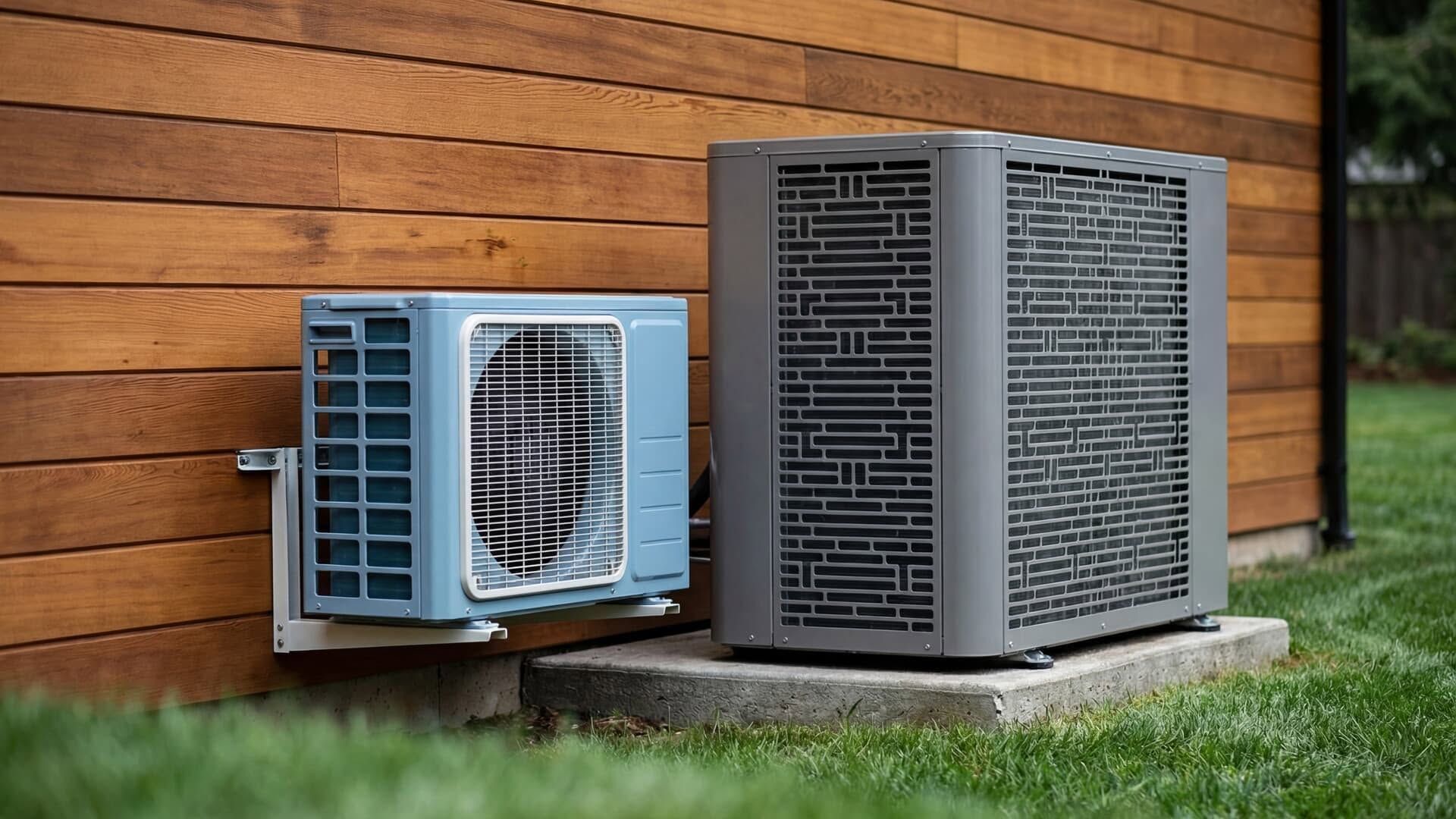
The Difference Between Ductless and Conventional Systems
Ductless systems eliminate energy losses associated with leaky or poorly insulated ductwork, which can account for twenty to thirty percent of heating and cooling output in conventional installations. Inverter-driven compressors modulate capacity to match demand precisely rather than cycling on and off repeatedly, which improves efficiency and maintains more consistent temperatures. Multi-zone systems use a single outdoor unit to supply multiple indoor air handlers, each with independent temperature control.
After installation, you'll notice rooms reach set temperature quickly and maintain comfort without the temperature swings common in single-zone systems. Independent control allows heating one area while another remains off, useful for spaces like workshops or guest rooms with intermittent use. Air handlers include filtration that removes dust and particulates, improving air quality compared to spaces without mechanical ventilation.
Maintenance includes cleaning filters monthly, inspecting condensate drains for blockages, and scheduling annual service to verify refrigerant charge and coil cleanliness. Neglected systems lose efficiency as coils accumulate dirt and drainage issues develop, so regular attention maintains performance and prevents premature failures.
Questions Before Starting Your Project
Property owners considering ductless systems typically want to understand installation requirements, energy efficiency benefits, and how mini splits compare to conventional HVAC approaches.
What spaces are ideal for ductless mini split systems?
Garages, home additions, sunrooms, workshops, and commercial spaces without existing ductwork benefit most from ductless installation. They're also effective for older homes where adding ductwork would require extensive renovation or structural modifications.
How many indoor units can connect to one outdoor condenser?
Multi-zone systems typically support two to eight indoor air handlers depending on outdoor unit capacity and total heating or cooling load. Each indoor unit operates independently with its own temperature control and on-off switching.
Why are ductless systems more efficient than window units?
Inverter technology modulates compressor speed to match demand rather than cycling fully on and off, which reduces energy consumption. Sealed refrigerant lines prevent the air leakage inherent in window-mounted equipment, and higher SEER ratings reflect better seasonal efficiency.
What installation challenges exist in Charleston coastal environments?
High humidity requires proper condensate drainage to prevent overflow and water damage. Salt air accelerates corrosion on outdoor units, so regular coil cleaning extends equipment life. Placement must account for storm exposure and wind-driven rain common along the coast.
How does maintenance differ from conventional HVAC systems?
Ductless systems require monthly filter cleaning, annual professional service to inspect refrigerant levels and coil condition, and periodic condensate drain flushing. Maintenance is simpler than ducted systems since there are no ductwork leaks to address or registers to clean.
TrueNorth Coastal Comfort installs and maintains ductless mini split systems for residential and light commercial customers in Charleston, with careful sizing and placement that ensures efficient, reliable operation. Arrange a ductless system consultation to explore zoning solutions for your property.